What Is an Index Futures Rollover?
A futures rollover is the process of moving a position from an expiring futures contract into the next active contract month.
A rollover involves two transactions:
- Closing your current contract.
- Opening the next contract month.
This allows traders to maintain market exposure without holding an expiring contract.
Example
Current position:
Long 1 E-mini S&P 500 June contract (ESM26)
Rollover:
- Sell 1 ESM26
- Buy 1 ESU26
Your market exposure remains largely the same while transitioning into the September contract.
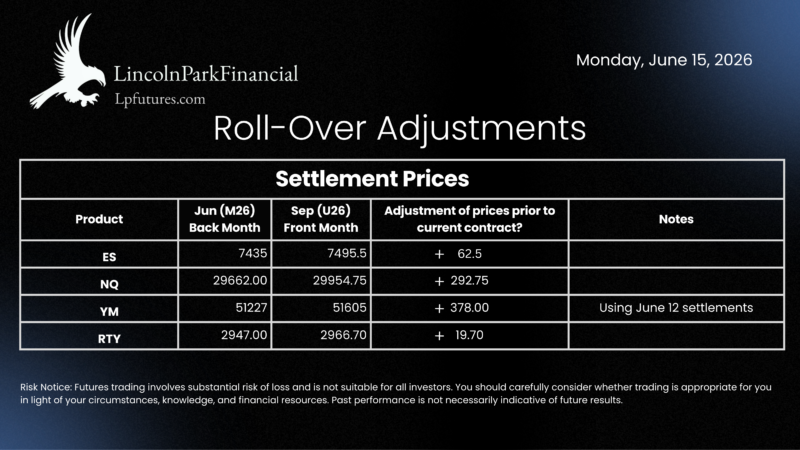
Which Index Futures Need To Be Rolled Over?
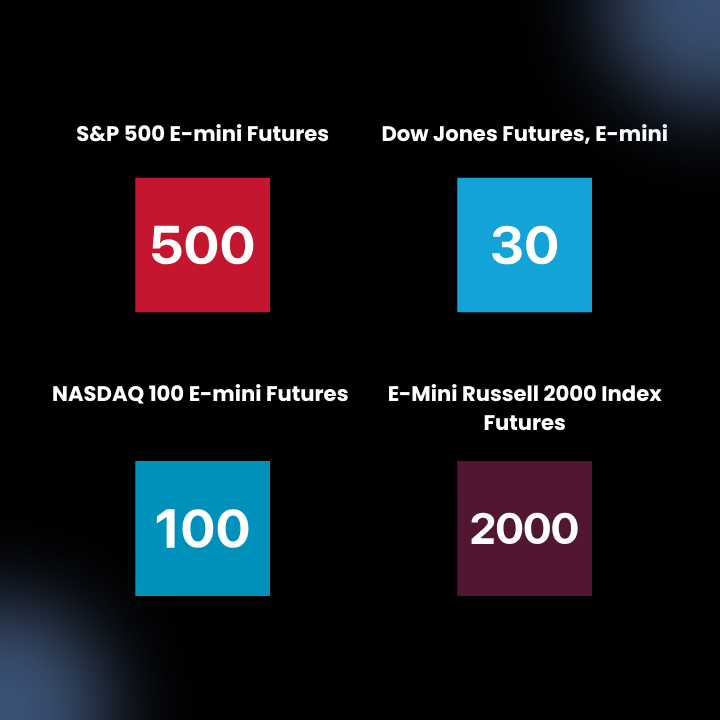
The most actively traded U.S. index futures contracts include:
Index Futures Expiration Months
Index futures expire four times per year.
| Month | Code |
|---|---|
| March | H |
| June | M |
| September | U |
| December | Z |
Examples:
| Contract | Symbol |
|---|---|
| March 2026 ES | ESH26 |
| June 2026 ES | ESM26 |
| September 2026 ES | ESU26 |
| December 2026 ES | ESZ26 |
The final two numbers represent the year.
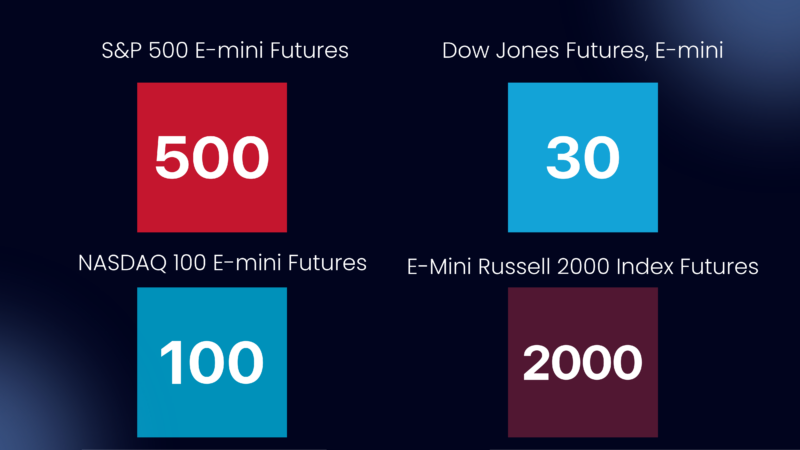
| Product | Symbol |
|---|---|
| E-mini S&P 500 | ES |
| Micro E-mini S&P 500 | MES |
| E-mini Nasdaq-100 | NQ |
| Micro E-mini Nasdaq-100 | MNQ |
| E-mini Russell 2000 | RTY |
| E-mini Dow Jones | YM |
All of these contracts follow a quarterly expiration cycle.
When Should You Roll ES, NQ, MES and MNQ Futures?
Most professional traders do not wait until expiration day.
Instead, traders monitor liquidity.
The rollover process typically begins approximately 8 to 10 days before expiration, but the actual transition occurs when market participants migrate into the next contract month.
Many traders roll when:
- Trading volume shifts into the next contract.
- Open interest begins increasing.
- Bid and ask spreads tighten.
- Institutional traders begin trading the new contract.
Liquidity is often the most important indicator.
How To Know Which Contract Is Active
Always trade the contract with the highest liquidity.
Many trading platforms automatically display both contract months during rollover periods.
Trading Volume
Higher volume generally indicates where traders are active.
Open Interest
Open interest measures outstanding positions.
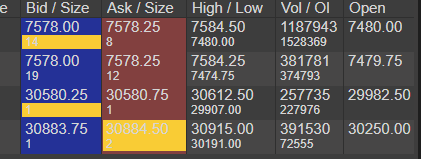
Bid/Ask Spread
Tighter spreads often indicate better liquidity.
How To Roll Over Futures Contracts
The process is straightforward.
Step 1: Close Your Existing Position
Example:
Sell your June ES contract.
Step 2: Open The New Contract
Buy the September ES contract.
Your market exposure remains similar while trading the next active month.
Example: Rolling E-mini Nasdaq-100 Futures (NQ)
Suppose you are long one June Nasdaq contract.
Current position:
Long 1 NQM26
Rollover process:
- Sell 1 NQM26
- Buy 1 NQU26
You now have exposure to the September contract instead of the June contract.
Why Do Futures Contract Prices Differ?
During rollover periods, traders often notice price differences.
This is called the calendar spread.
Price differences may be influenced by:
- Interest rates
- Dividend expectations
- Financing costs
- Market expectations
These differences are normal.
They do not necessarily indicate a directional move in the market.
Why Liquidity Matters During Futures Rollover
Liquidity may deteriorate quickly in expiring contracts.
Staying in an inactive contract can lead to:
- Wider bid/ask spreads
- Less efficient execution
- Reduced market participation
- Increased slippage
Most active traders transition once liquidity shifts.
Quarterly Futures Rollover Calendar
| Expiration Month | Typical Rollover Period |
|---|---|
| March | Early March |
| June | Early June |
| September | Early September |
| December | Early December |
Always verify exchange calendars and monitor liquidity.
Common Futures Rollover Mistakes
One of the most common mistakes traders make during an index futures rollover is waiting until expiration day to switch contracts. Liquidity often begins to decline before the contract officially expires, which can lead to wider bid/ask spreads and less efficient order execution. Another mistake is trading the wrong contract month, so it’s important to always verify that you’re trading the active contract before placing an order. Traders should also avoid ignoring trading volume, as the expiring contract may no longer have the highest liquidity once market participants begin transitioning to the next month. Finally, traders using automated strategies, algorithms, or custom indicators should remember to update their symbols and settings during rollover periods to ensure their systems continue trading the correct futures contract.
Frequently Asked Questions (FAQs)
A futures contract rollover is the process of closing an expiring futures contract and opening the next contract month to maintain market exposure.
Many traders roll ES futures once liquidity shifts to the next contract month, often 8 to 10 days before expiration.
NQ futures are commonly rolled when trading volume migrates to the next contract month.
Yes. MES and MNQ follow the same quarterly expiration cycle as ES and NQ.
- H = March
- M = June
- U = September
- Z = December
If you do not roll your contract, it will eventually expire and settle according to exchange rules.